Summer mountaineering in Peru's Ishinca Valley
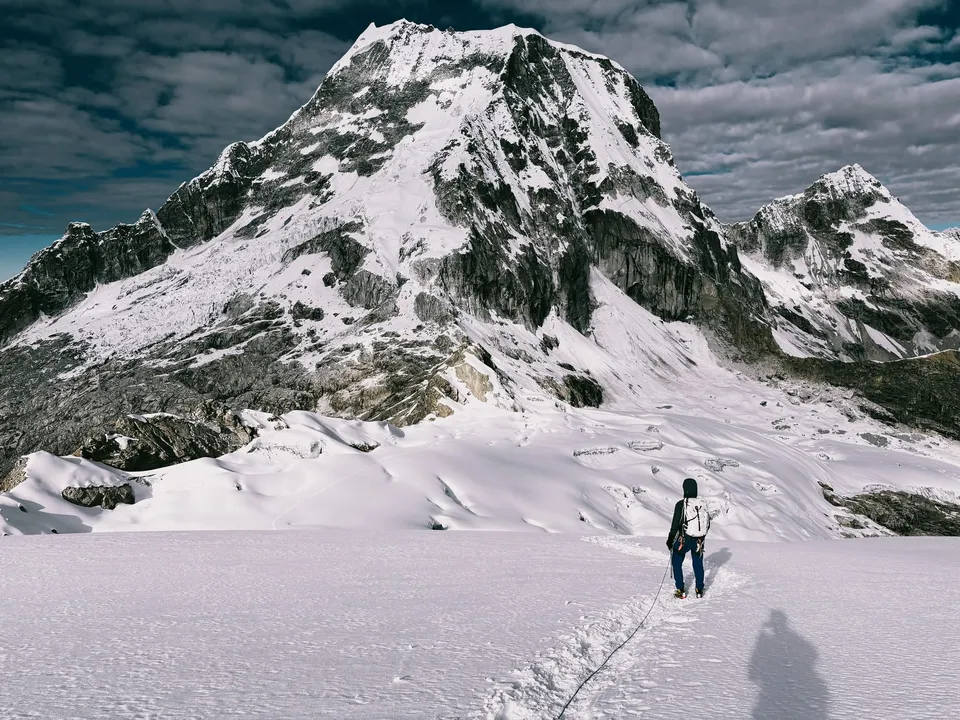
From June 12th to June 29th 2025, I spent two weeks in Peru with my friend Kevin, trekking and mountaineering in the Cordillera Blanca. We used the first half of the trip to acclimatize to the altitude (the town of Huaraz sits at 10,000') with trail runs, hikes, and a 4 day trek through the Santa Cruz valley. Then we headed up into the alpine for some summits of classic 18,000-foot glaciated peaks in the Ishinca valley.
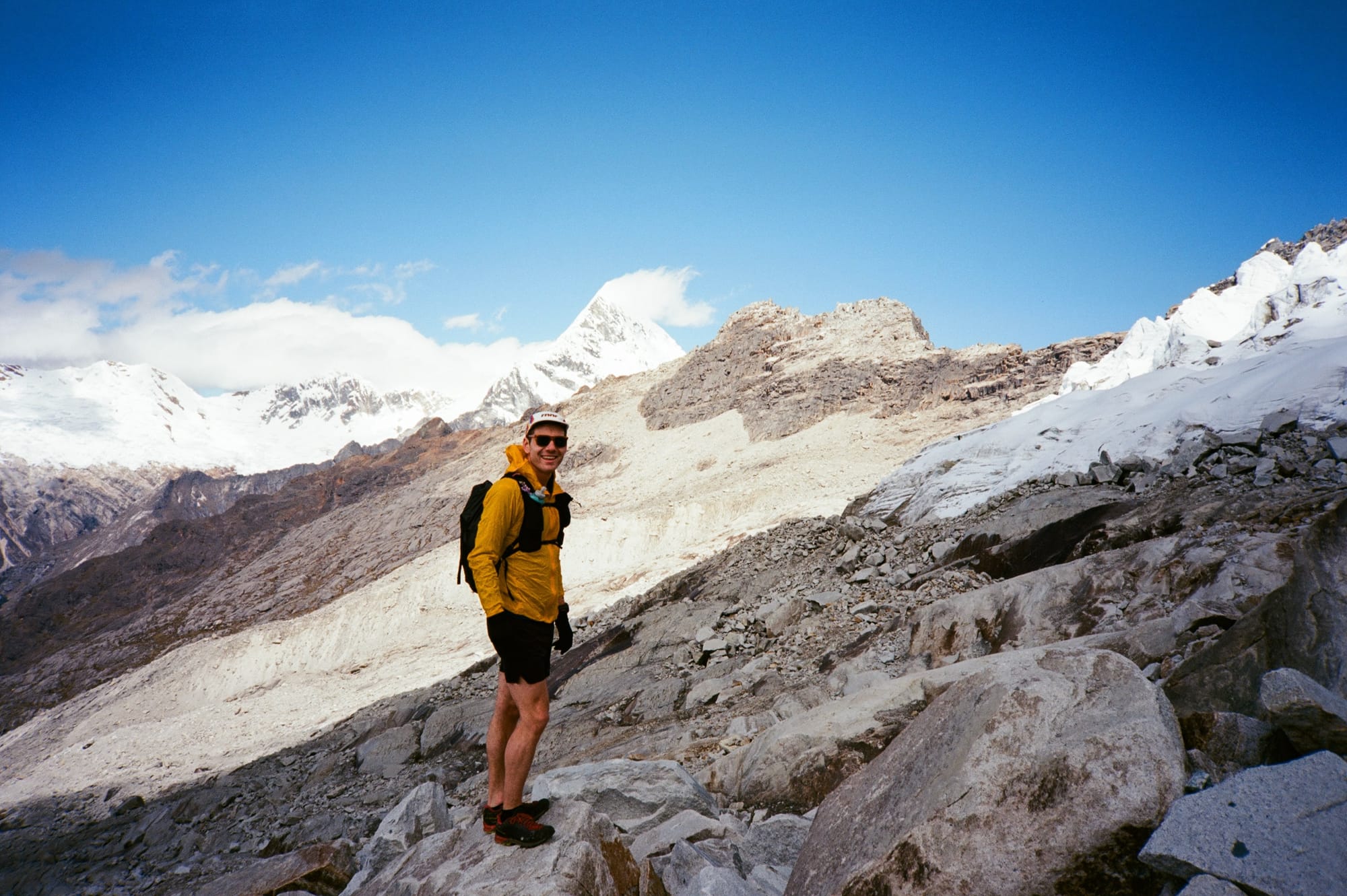
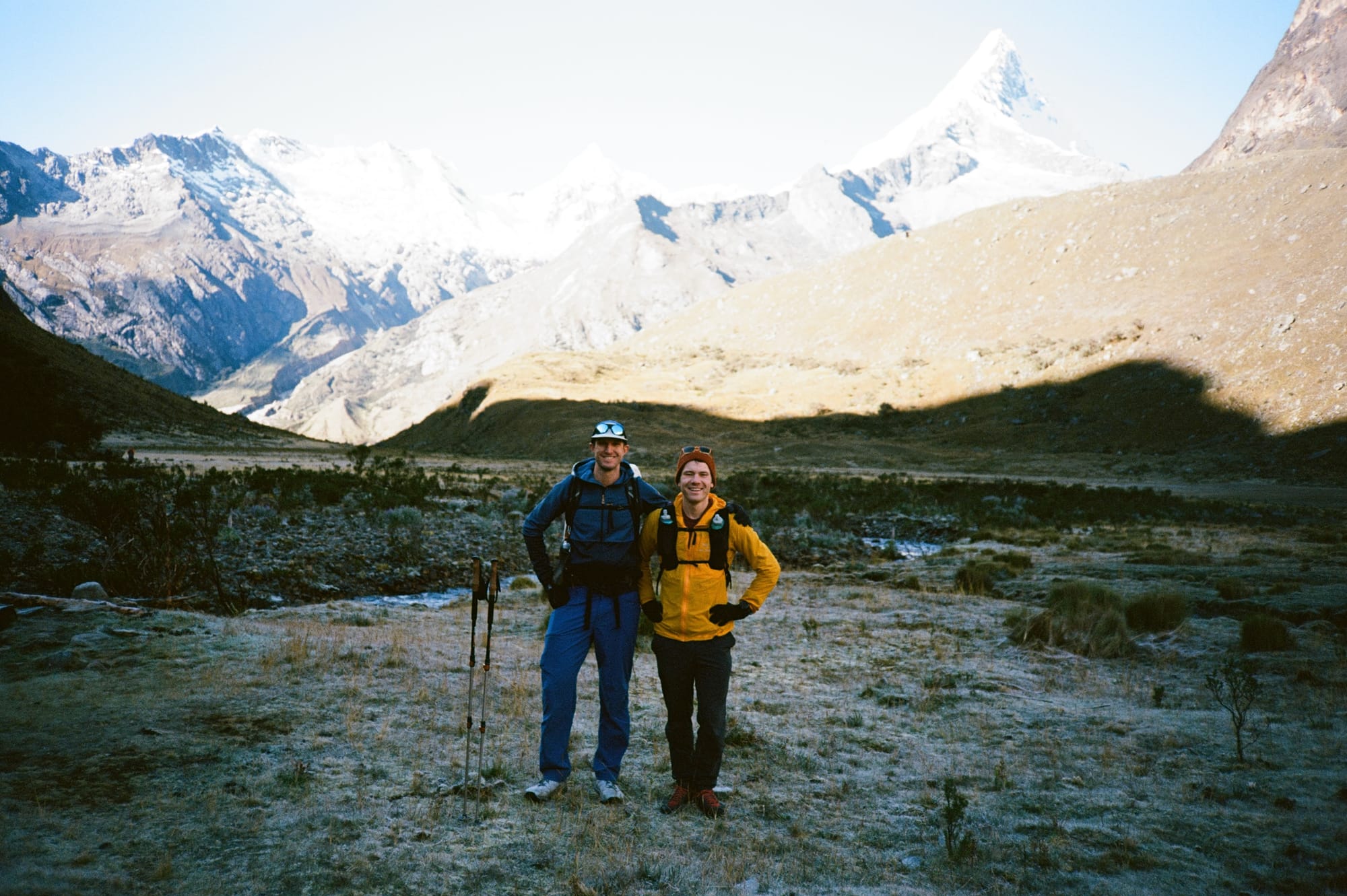
I got my start in the mountaineering and climbing world by slogging up snowy Cascades volcanos like Mt Hood and South Sister in high school before eventually getting my first guiding gig hauling large groups up the Easton route on Mt. Baker. After discovering alpine rock and trail running, though, I mostly stopped doing moderate snow climbs in favor of faster-paced and more technical movement in the mountains. In a way this trip felt like a return to my roots, and since Kevin had never been on a glacier besides a short "warm-up" trip we did on Mt. Baker a month prior to leaving for Peru, I'd get to share his excitement for being in a big glaciated range for the first time.
In the days we spent acclimatizing before heading up into the mountains to climb, we'd heard mixed things from folks in Huaraz about the conditions that spring. Climate change seems to be manifesting in this area of Peru in the form of wetter and snowier winters that stick around longer than usual - conventional wisdom said that the dates we'd picked in mid June should have been free of precipitation, but we'd already spent four of our acclimatization days getting rained on, hard. Many of the more technical routes in the range hadn't seen a single ascent yet due to the large amounts of unconsolidated snow that were still present, creating unseasonably challenging travel conditions and avalanche hazards. With this in mind we opted to go for two relatively straightforward objectives in the Ishinca Valley - Nevado Ishinca and Nevado Urus.
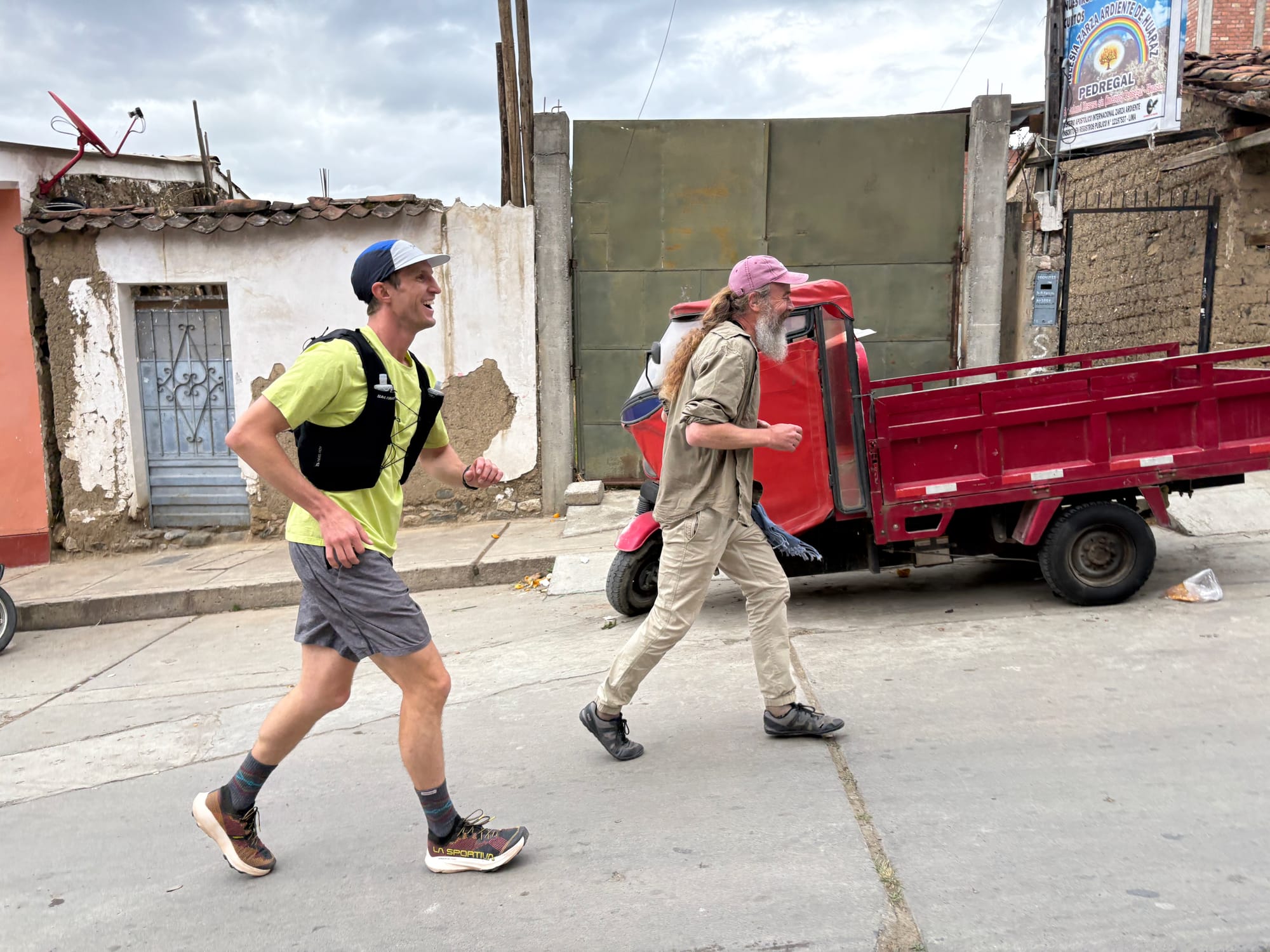
Most folks who are climbing in the Cordillera Blanca choose to base out of Huaraz, the largest settlement in the region and the only place to buy food and fuel for trips out to the mountains. One of the things that took some getting used to for me is how much of a project it is to get from Huaraz up to any of the mountains or acclimatization hikes in Huascarán National Park. Starting in Huaraz, you catch a lift from the town bus stop in one of the minivans that constantly circulate along the road at the bottom of the valley, packed to the gills with locals and sometimes a few chickens, too. After one to two hours in the van, you get out at a random intersection where a single lane road winds up into the mountains and attempt to get one of the "colectivo" taxi drivers to stop and ferry you out of the valley and up to the mountains, tackling rutted and steep mountain roads in a sedan where the suspension probably gave up the ghost sometime in the late 90s. Then you hike in and establish a base camp, often needing to coordinate with a pack animal driver to get all your gear in on the back of a donkey. It's not until after all of that is done (basically an entire day of logistics) that you actually get to start climbing.
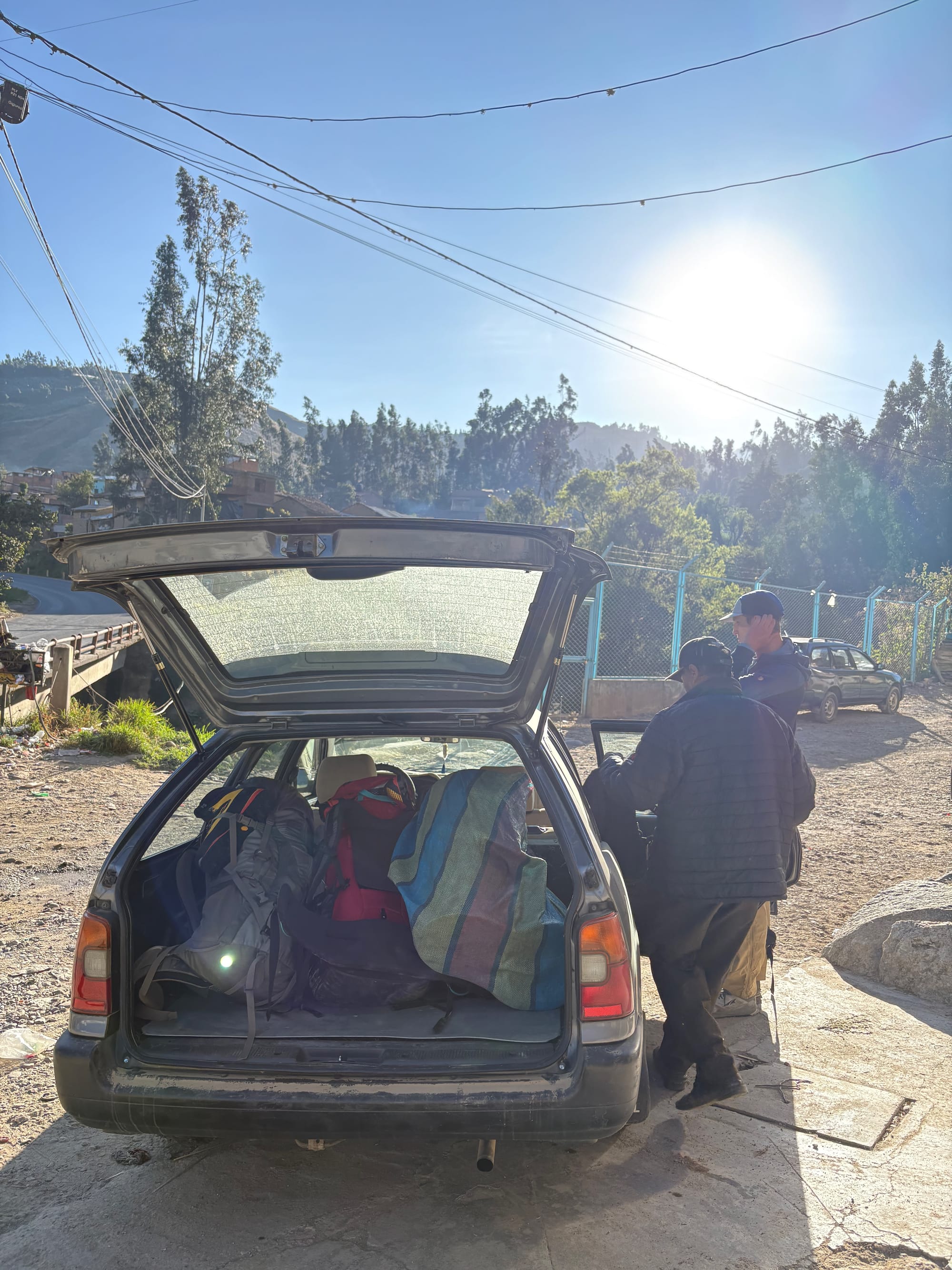
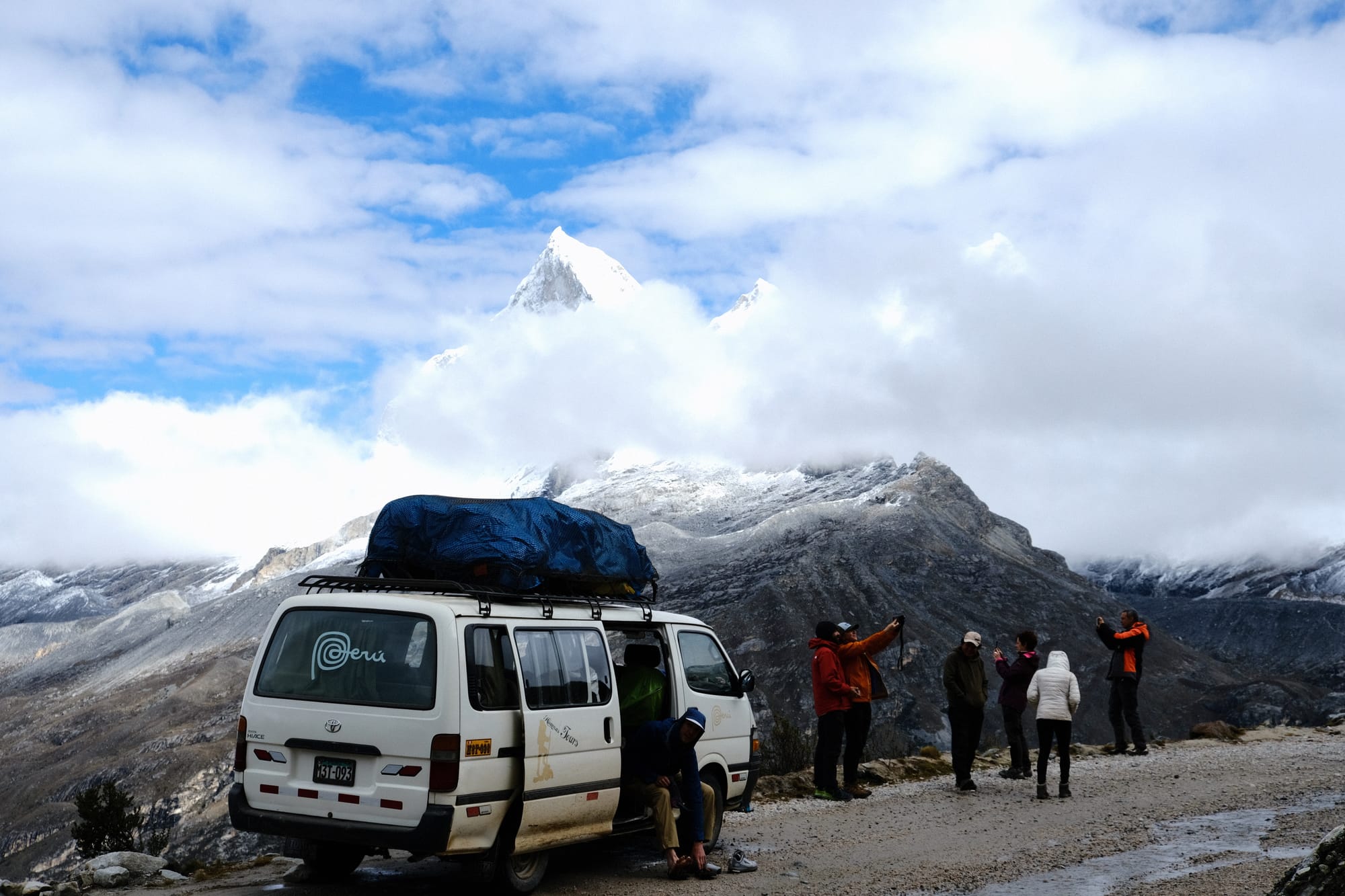
After the motorized leg of our journey towards Ishinca Valley was finished, we found ourselves at the end of a dirt road in the middle of nowhere. We'd arranged for a donkey to carry our packs up into the valley, partially out of the novelty factor and partially as a way to save our energy for what we hoped would be a back-to-back blitz up two 18,000ft peaks in the valley. With the fickle weather we'd been experiencing, we couldn't afford to take a rest day – as long as the rain held off, we wanted to be ticking off objectives. With the help of our donkey driver, Carlitos, we loaded our packs onto his very unbothered donkey and headed up the valley.
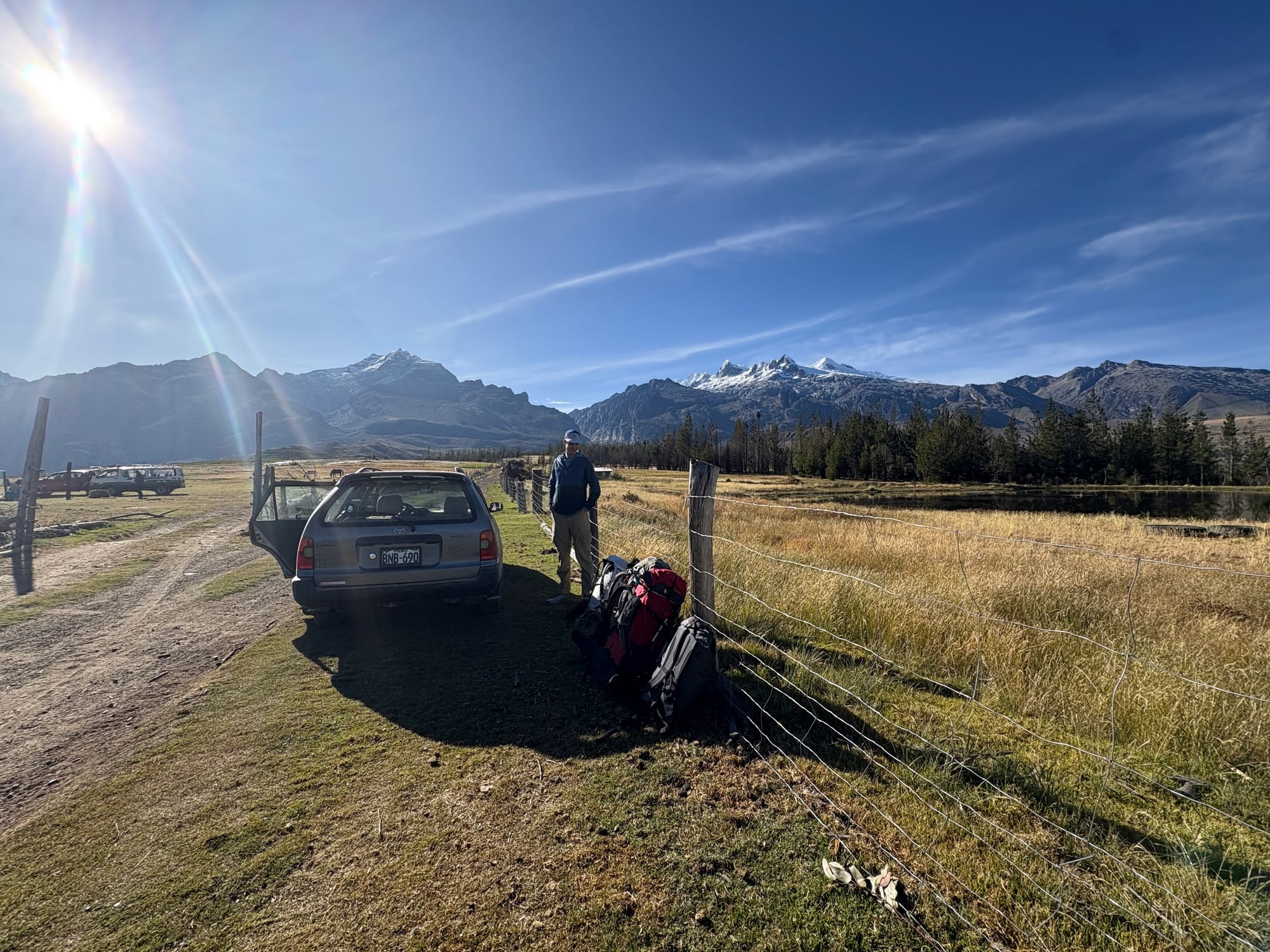
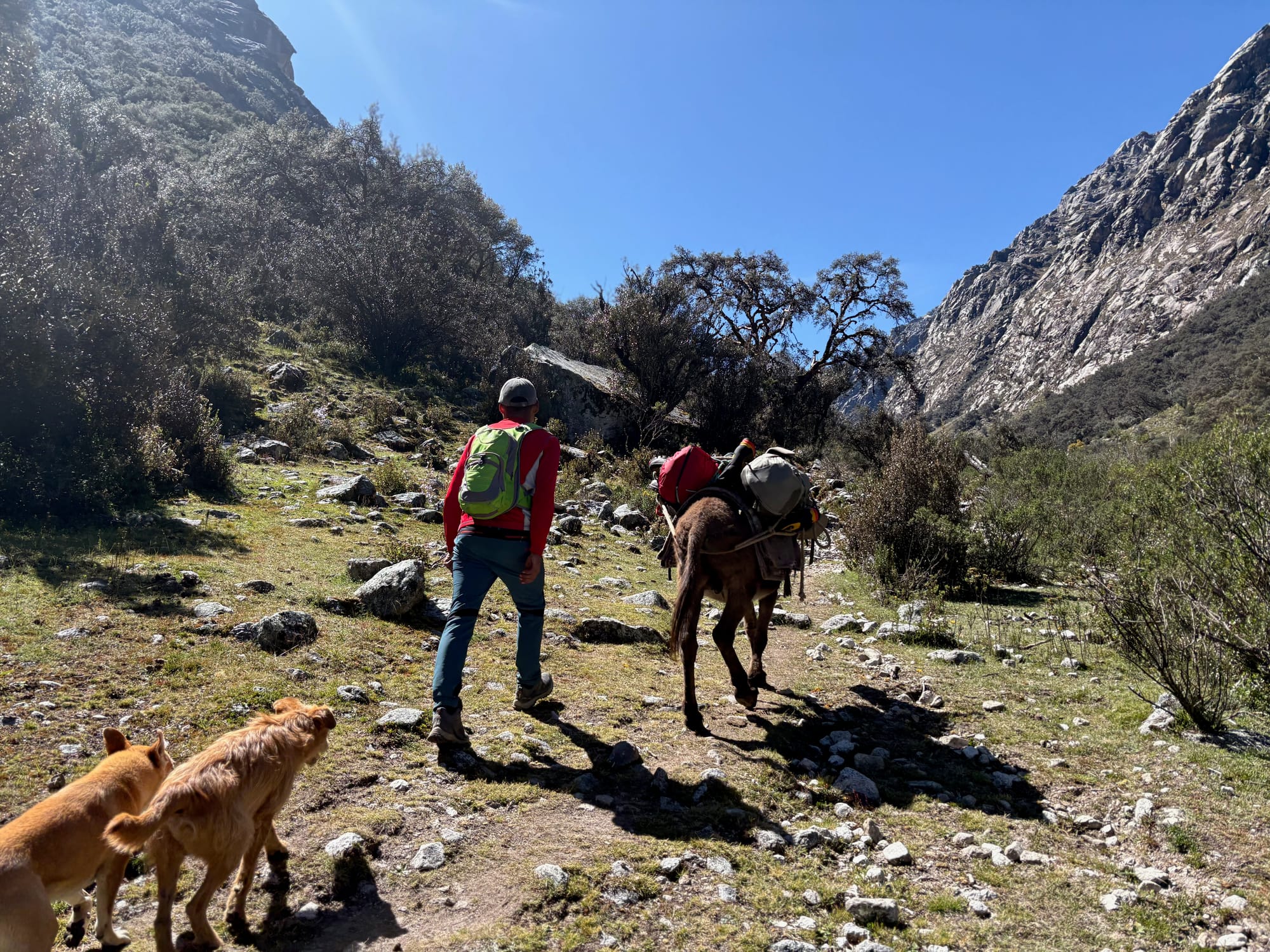
Kevin and I walked and sometimes ran (donkeys move fast!) up the trail following our packs. For Kevin, this trip marked a significant life transition. He had gotten accepted to medical school in Michigan after years of working towards that goal, and we talked a lot about how he was feeling about moving away from Colorado and back to his home state, where he'd start the hard-won process of becoming a doctor, but lose easy access to mountains and be far away from the community he had built over the past decade in Colorado.
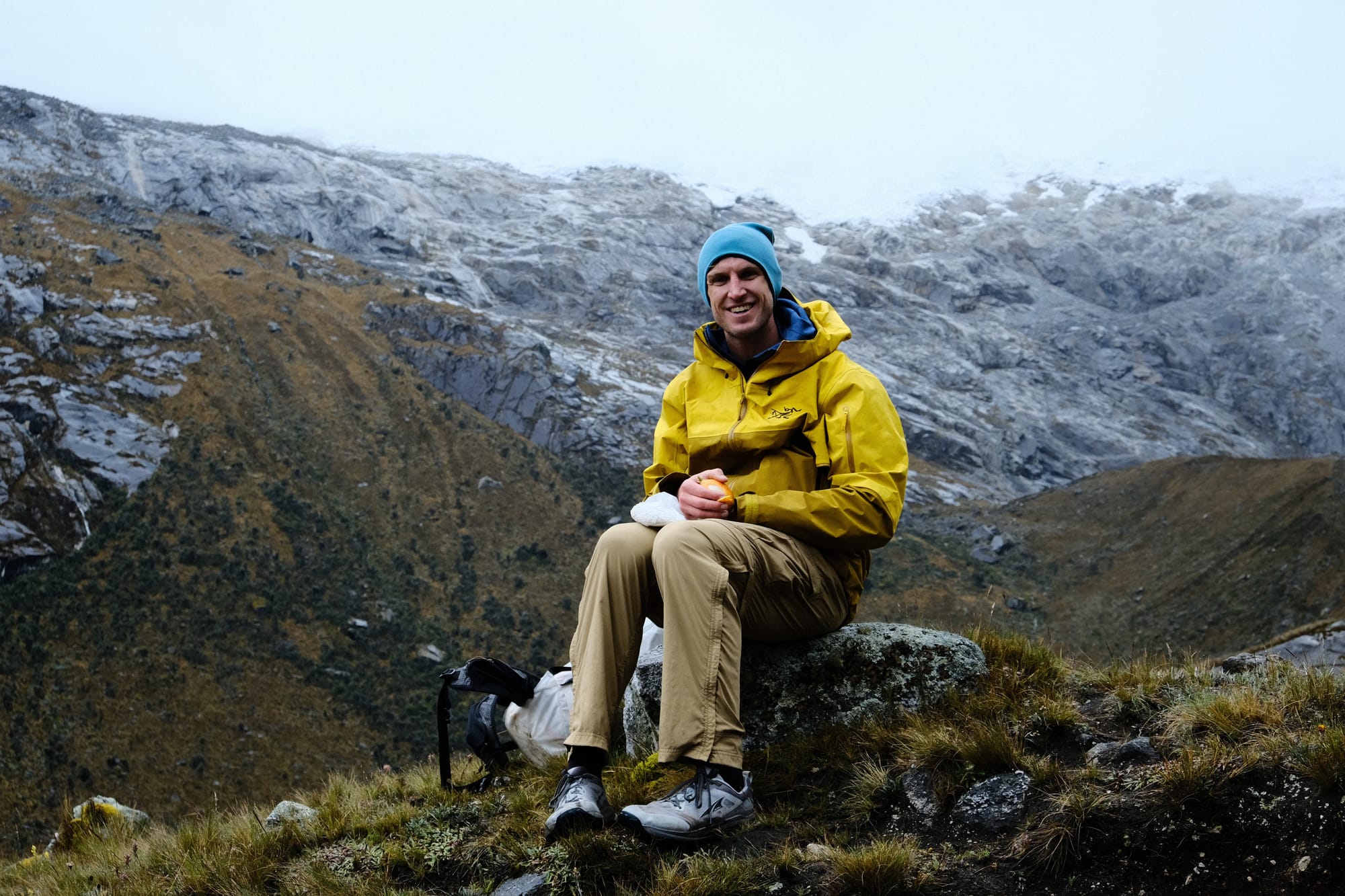
Kevin is one of those people who defines the word "resilience" for me. In the mountains, it doesn't matter what's going on or going wrong – he seems to have an unshakeable ability to focus on the feeling of being happy to be out there, fully in tune with whatever he's doing. Even more so than the mountain adventures we've shared though, I think that his attitude really comes out in daily life. When we were roommates, I watched Kevin juggle night shifts, a full pre-med course load, and somehow still find time to maintain relationships and get out on trail running adventures and ski days, all with a smile on his face no matter how little sleep he had gotten the night before. For my part, I have the same energy in the mountains – if I'm outside and moving, I'm generally stoked on life – but I sometimes find it difficult to bring that optimism home with me and can easily get worn down by the small, low-stakes struggles of the everyday. Kevin is somebody that I look up to when it comes to his ability to take that positive mental attitude that's a huge determinant of success in the mountains, and bring it to bear on the other parts of life.
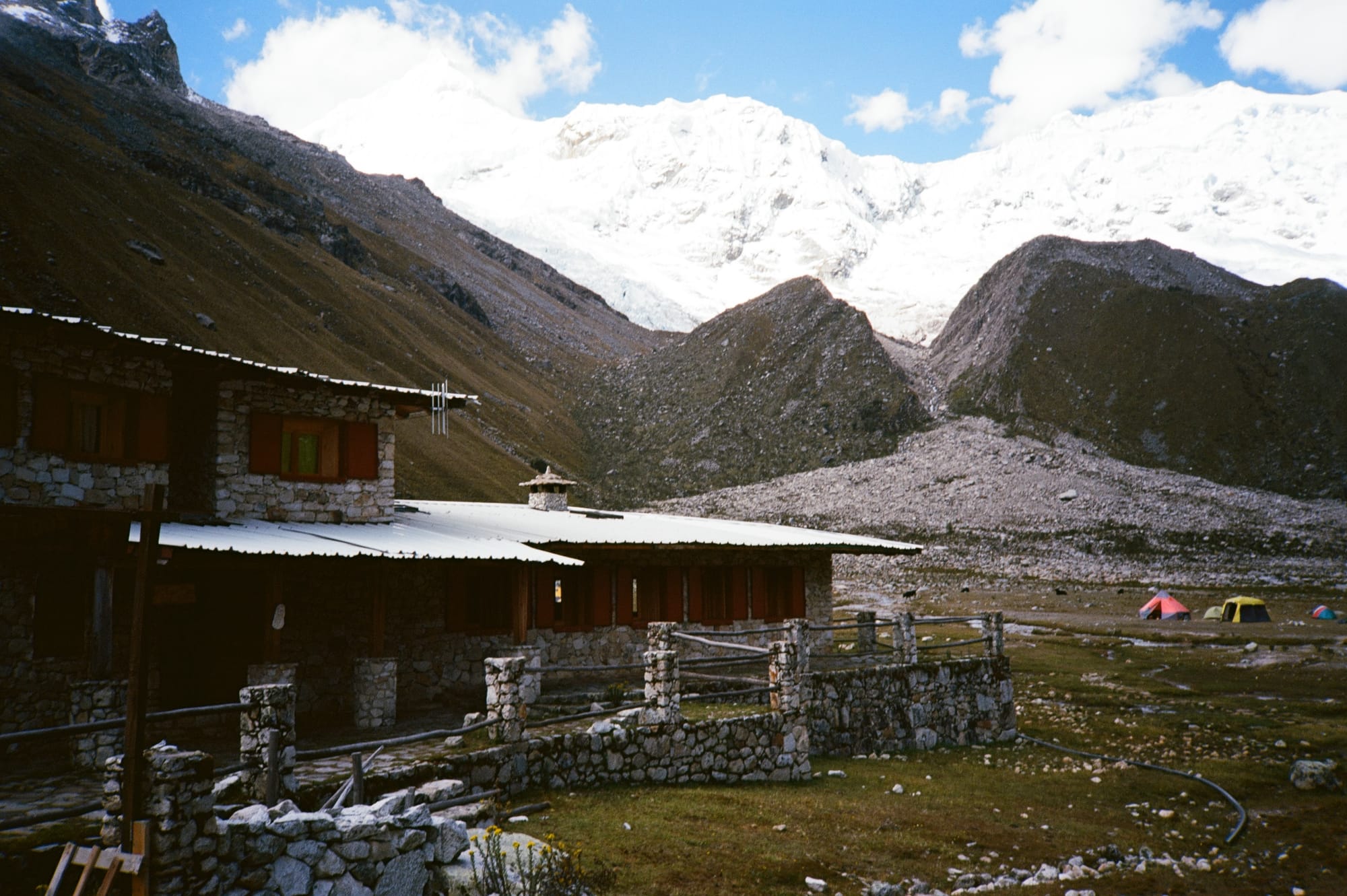
At the head of the Ishinca valley sits Refugio Ishinca, a European style refugio with stone walls and a view of the ice-encrusted bowl of peaks above. Built in 1998 at an elevation of 14,270', it was a project of visiting Italian climbers who wanted to give back to the area and it continues to operate as a nonprofit that helps fund aid in the region.
We had booked 3 nights at the refugio, since we'd only brought fast-and-light alpine bivvy tents with us, and the cost of the dorm-style accomodation was comparable to what it would have cost to rent base camp gear for the same duration. It was also an opportunity to meet other climbers and participate in refugio life - swapping stories, sharing food, and comparing notes on the climbs we were planning to attempt. This is a part of mountain culture in Europe and South America that is almost completely missing from modern alpinism and climbing in the US. I remember staying at one of the few true climber-specific accommodations we have in our national parks system, the American Alpine Club's Grand Teton Climbers' Ranch, and realizing that besides the staff, I was the only other person staying there who intended to do some climbing.
I don't know exactly why this is – my best guess it that a combination of the restrictive and expensive nature of official camping options in the US park system, the remoteness of many of our best climbing venues, and the way that narratives of rugged, individual adventure are centered within our outdoor culture has resulted in a North American climbing culture that mostly involves people building camping setups in their vehicles, hiding out and camping along random dispersed Forest Service roads, and gathering and traveling in small groups where for an entire season you might not really interact with folks that aren't a part of your circle. In many ways, I'm grateful that we've taken a light hand when it comes to bringing the comforts of civilization into the mountains. I'd be deeply saddened if every alpine base camp was plagued with the crowds and capitalism of Yosemite Valley. But I also think that we're missing something by not having refugio-style gathering places in the US to launch big climbs out of and to come back to and build community in.
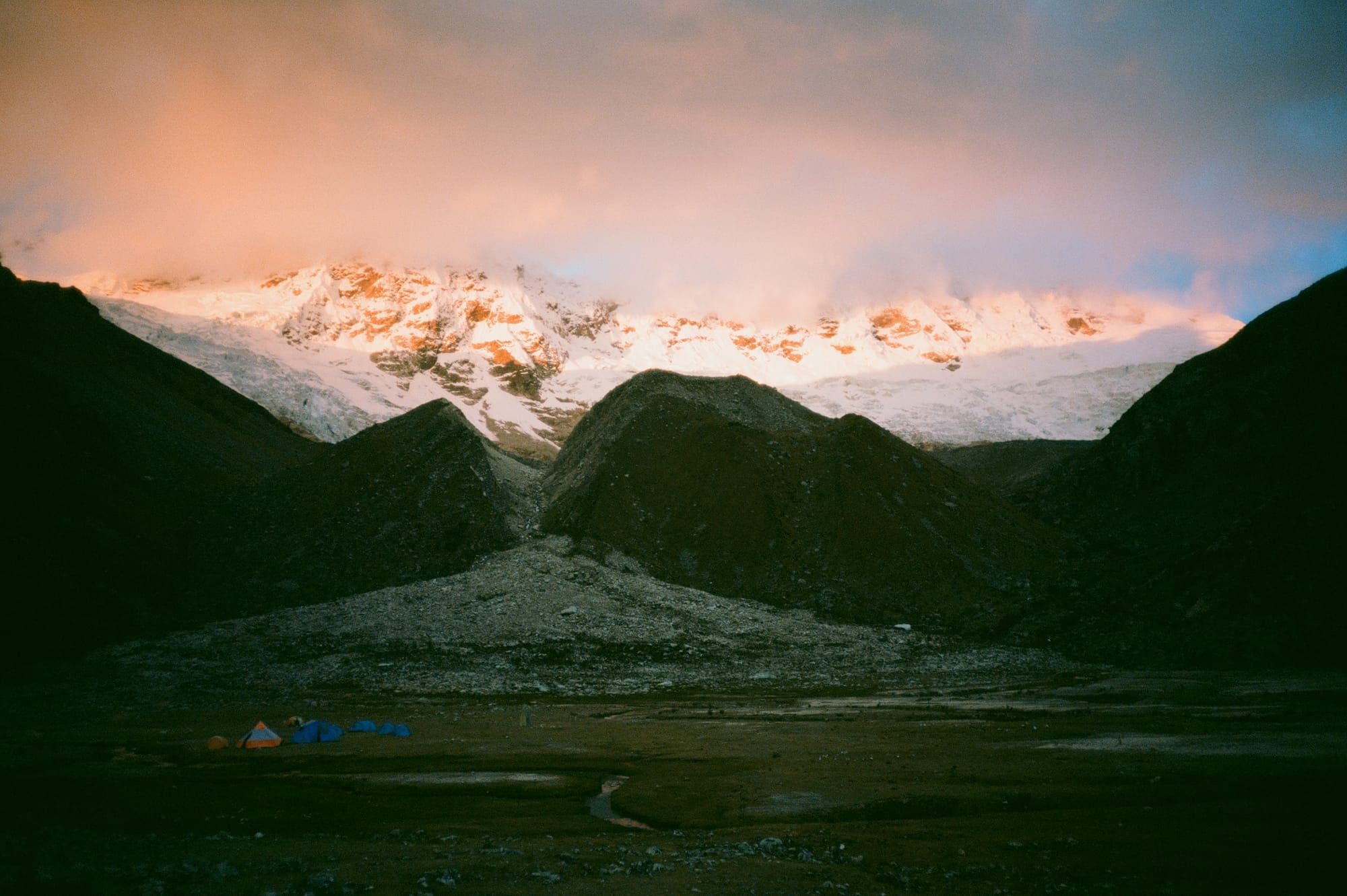
As we settled into the refugio, we talked over our climbing strategy. Our original plan was to head up Nevado Urus first, a 17,792' peak right next to the refugio that involved some snow slopes and easy scrambling but no roped travel or concerns around crevasses. After that as a warm-up, we had hoped to complete our more significant objective; a north-to-south traverse of Nevado Ishinca which would take us up to the 18,140' summit via steeper and more technical slopes to the northwest, then back down via rolling glaciated terrain on the southwest ridge. This would be slower travel over snow, with us roped together to guard against possible crevasses hiding beneath the surface.
The forecast showed a solid clear day and then less promising-looking weather after that. We decided that of the two objectives, Ishinca was far more compelling and that it made sense given the uncertainty of the forecast to skip the warm-up on Urus and go straight into a summit bid on Ishinca during the weather window we knew we'd have the next day. We packed our summit bags and set our alarms for an alpine start at 2am.
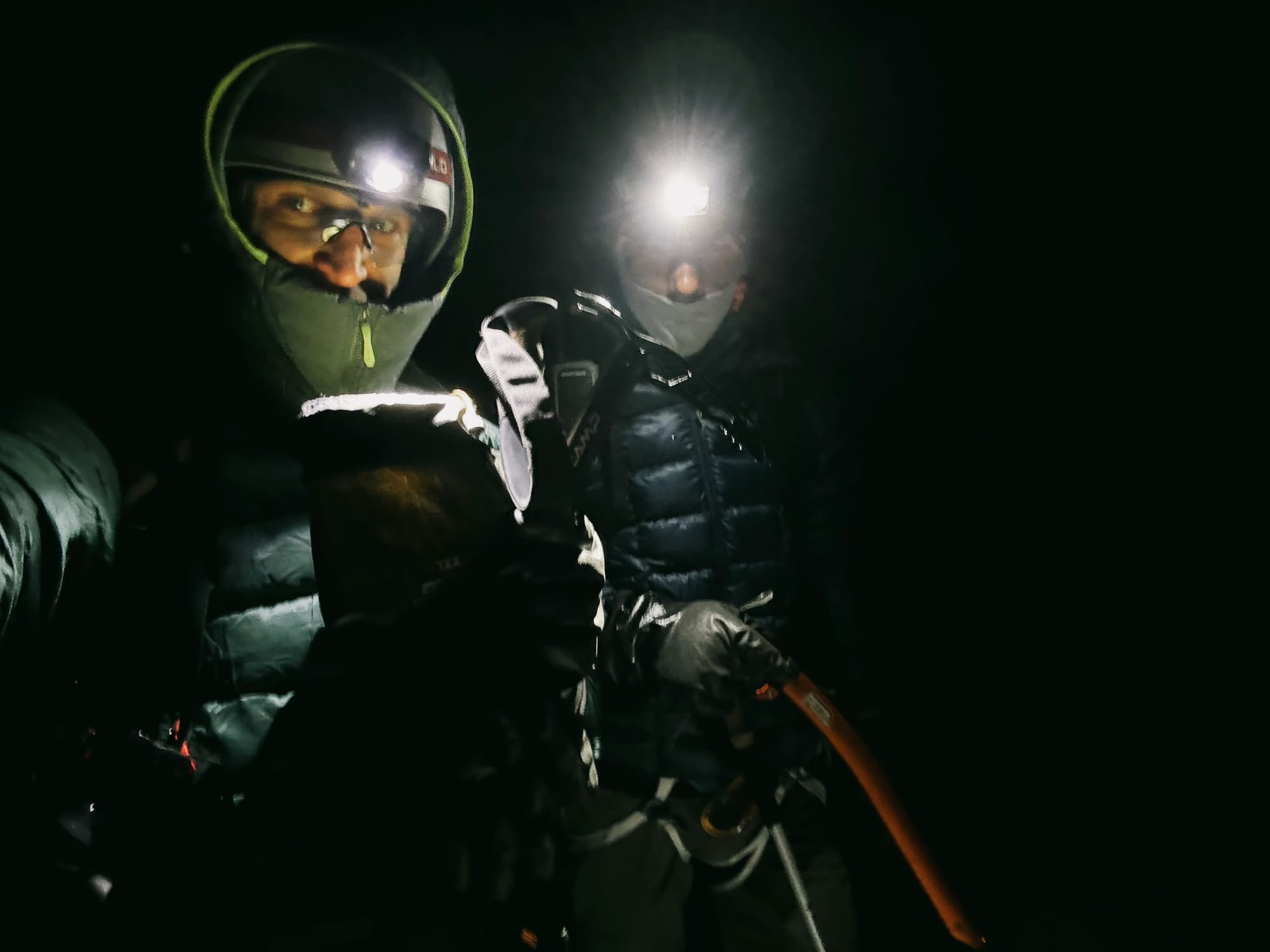
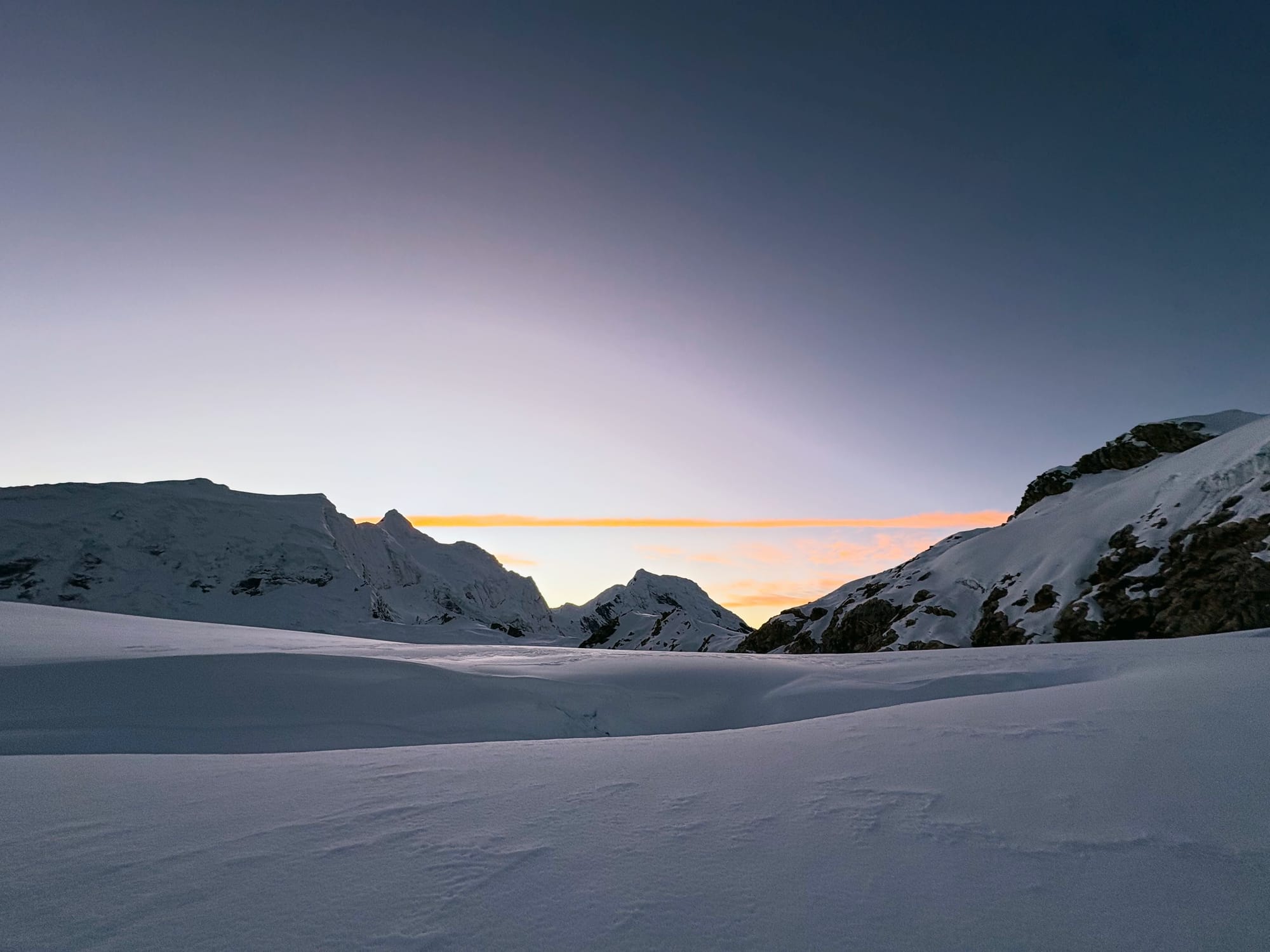
The climb up Ishinca was straightforward but engaging, with easy routefinding but an incredible feeling of being surrounded by the tallest mountains Kevin and I had ever been in, in one of the world's great mountain ranges. The altitude was challenging but manageable, and as we finished the final pitch of technical climbing and kicked steps up the last few meters to the summit, light had finished illuminating the whole range. It was 7:45am, and what had begun as two guys meeting as roommates six years prior after seeing the same housing ad on Craigslist had wound up with us high-fiving at 18,000' on the top of a mountain in central Peru.
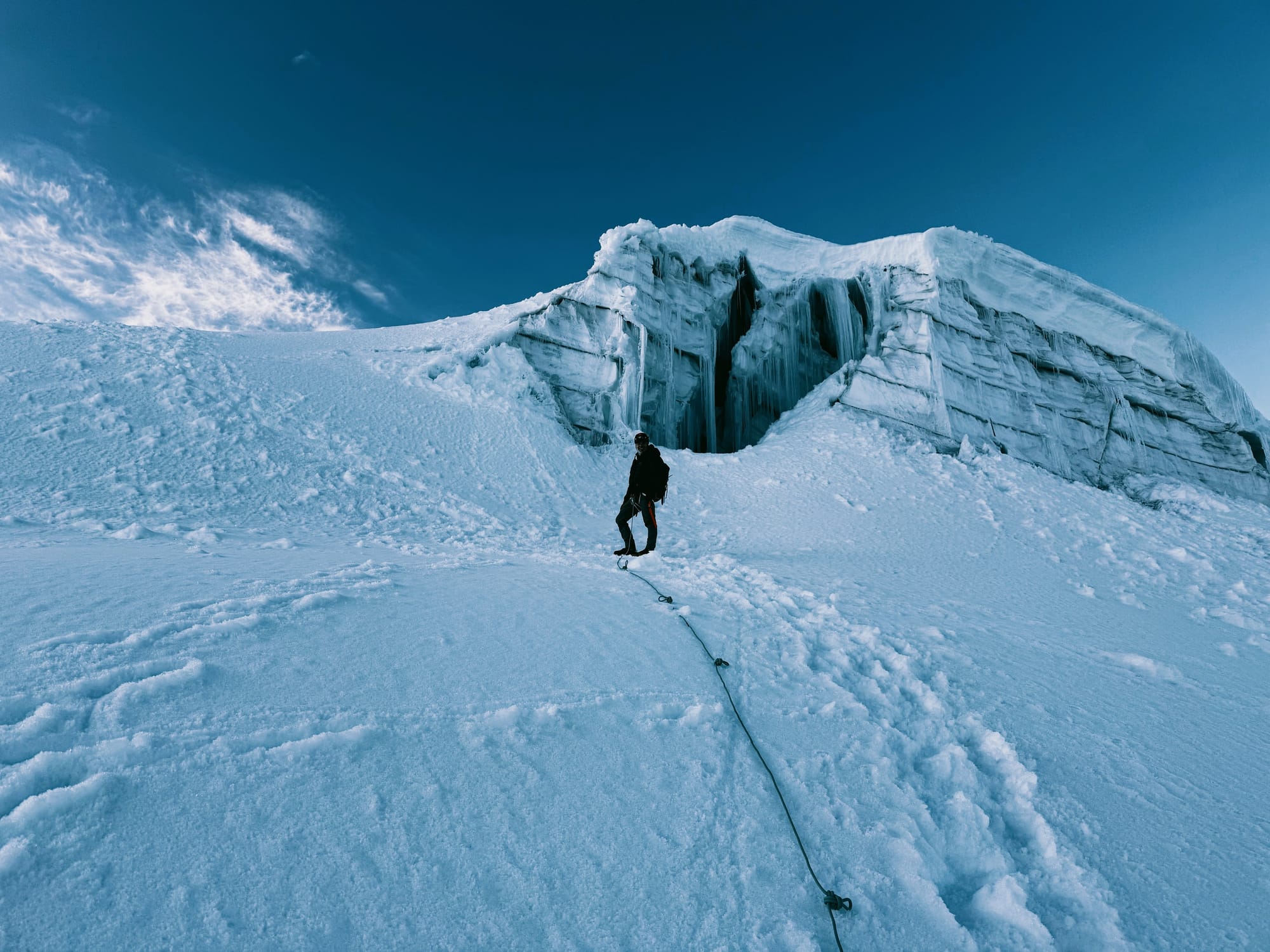
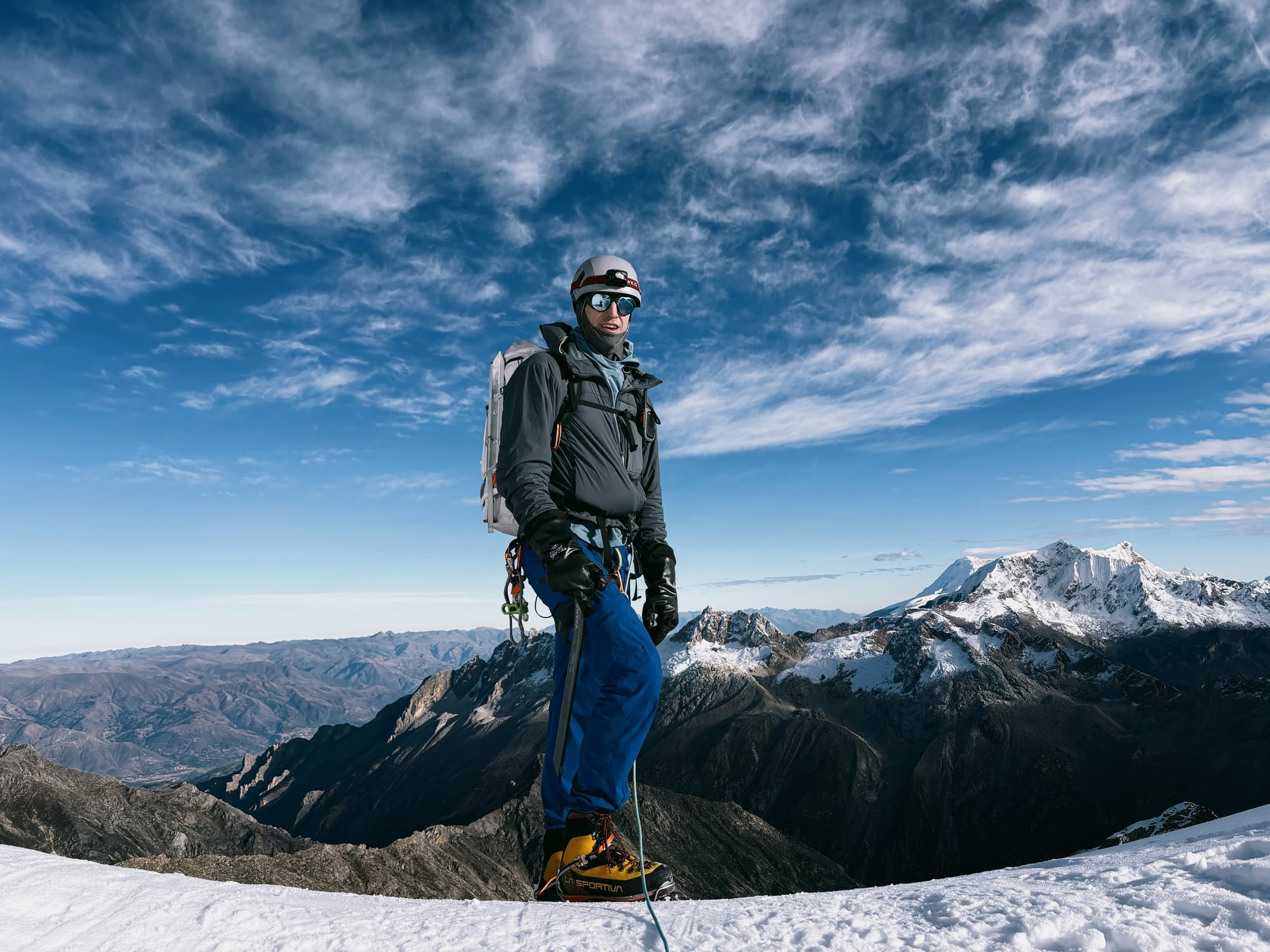
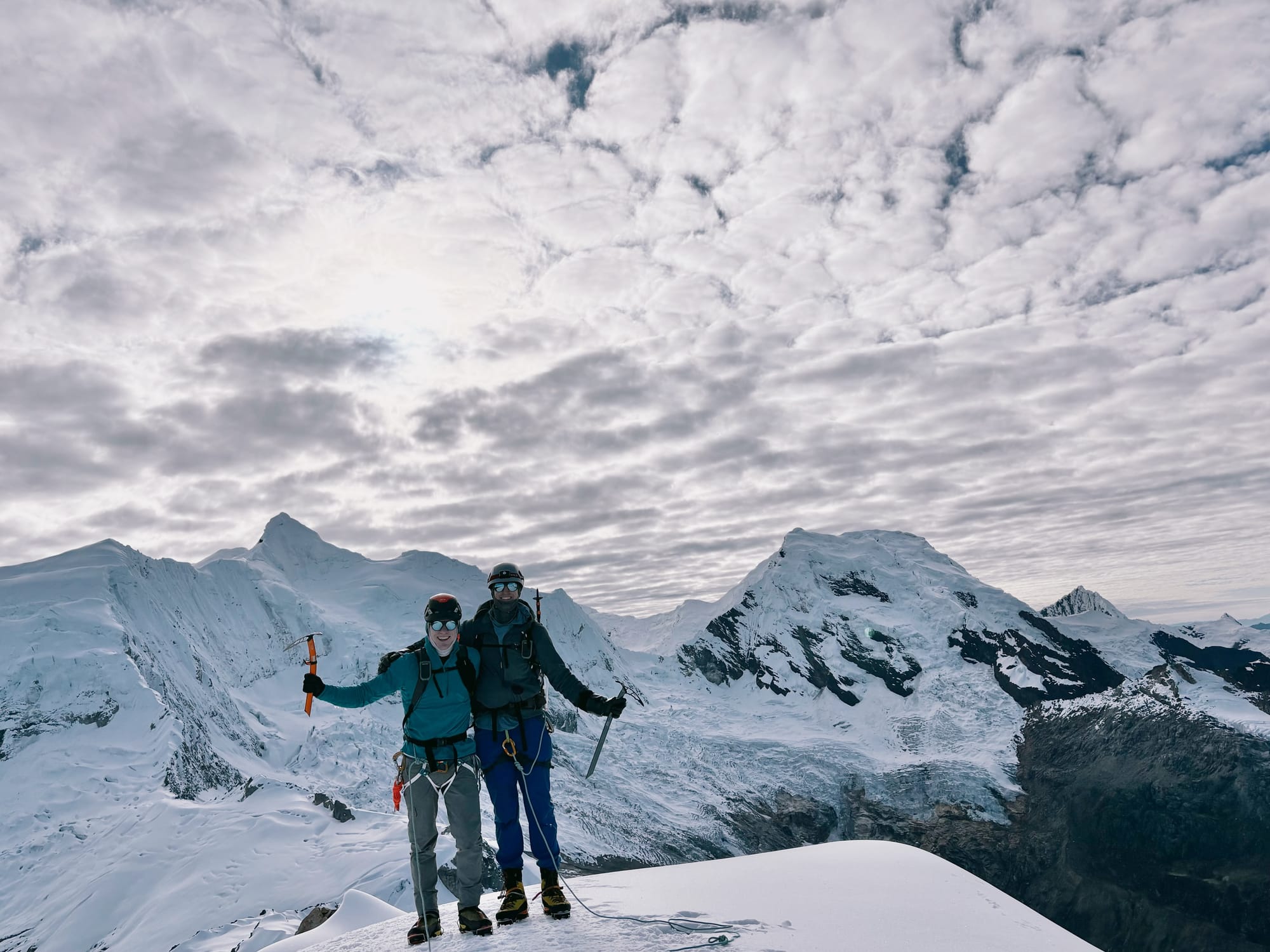
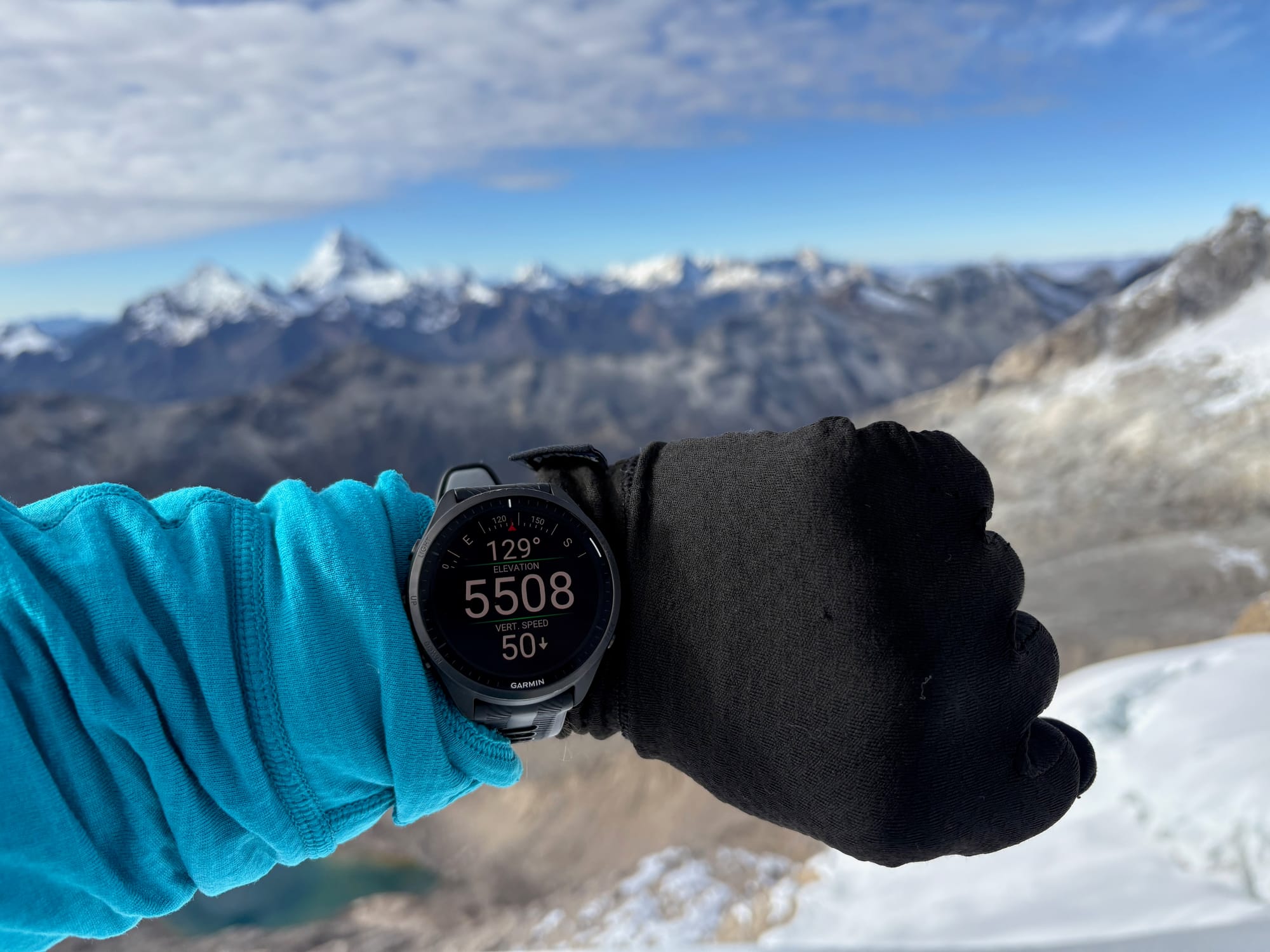
The travel back down the SW ridge was essentially a snow highway, and with the stable weather and minimal wind we were able to talk and joke as we made our way across the glacier to where snow transitioned to rock and we could unrope and stop for lunch.
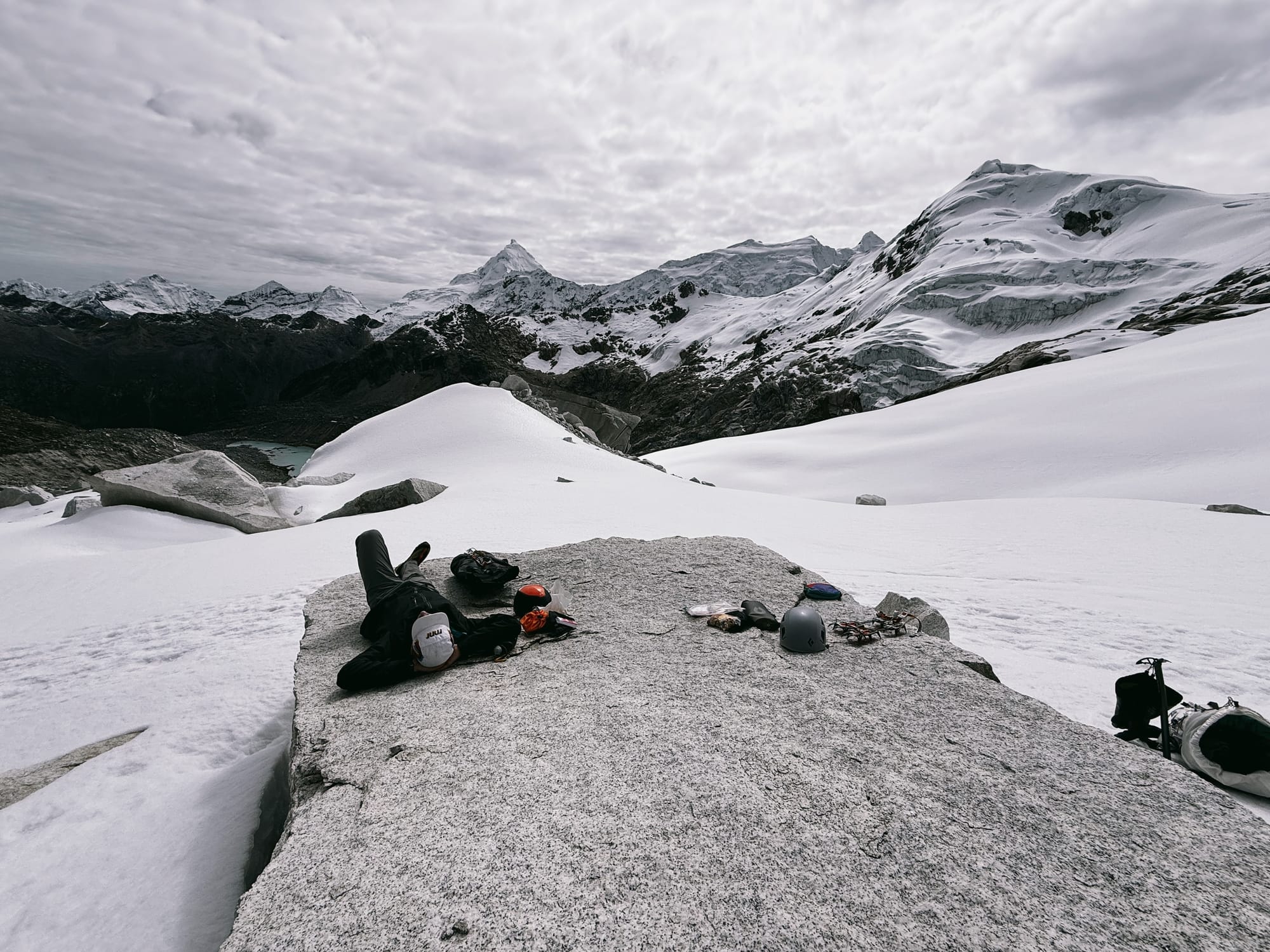
We got back to the refugio shortly after noon, and were greeted by the team of Colombian climbers that we'd befriended at dinner the night before! They had summitted shortly before us that same morning, choosing to go both up and down via the southwest ridge, and had even snapped a few pics of us on our traverse route, navigating the upper glacier. Kevin busted out an entire panettone cake that he'd packed in, a pitcher of pisco sour appeared, and we all shared a moment of celebration for a great day in the mountains.
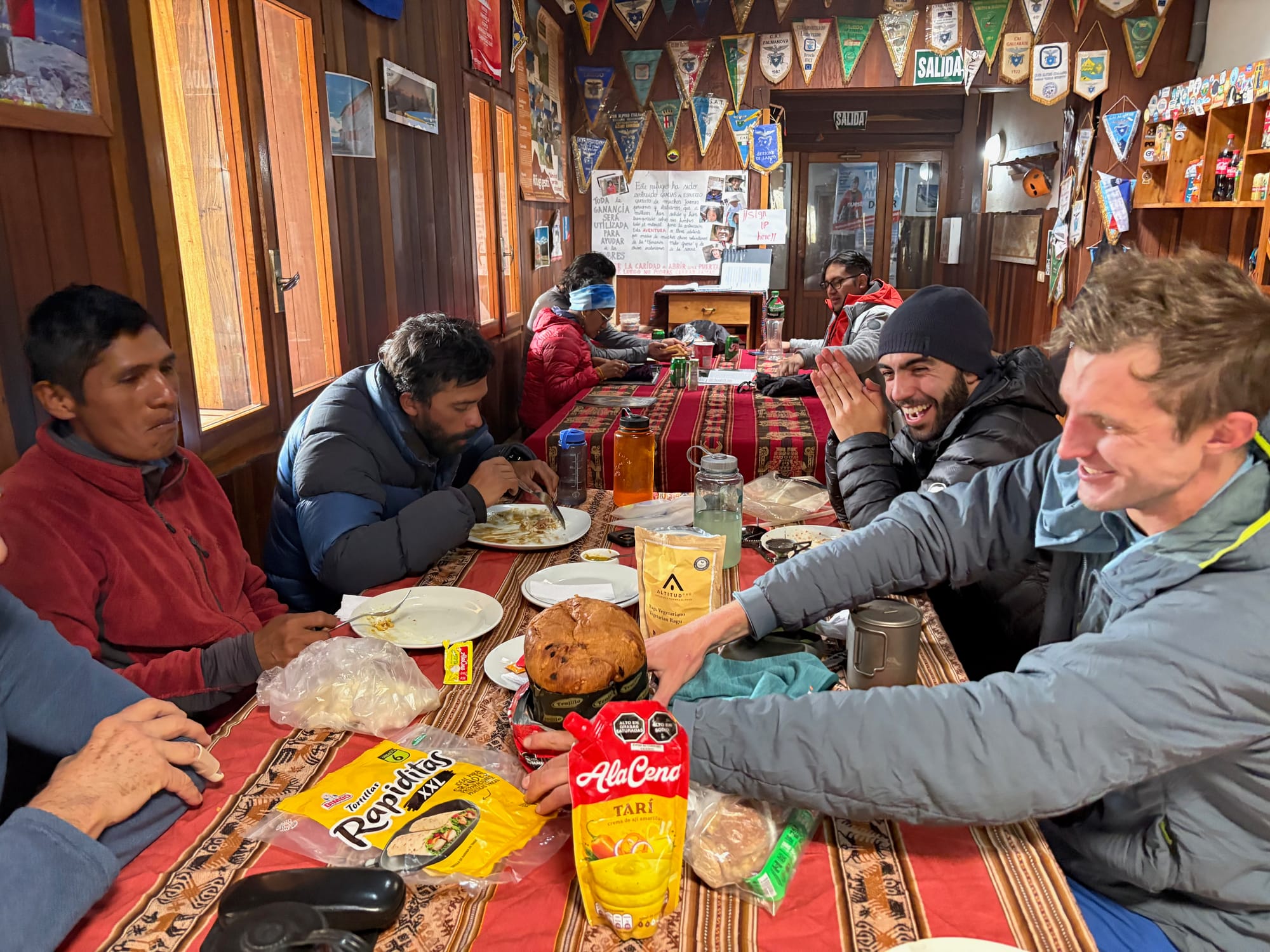
Soon, Kevin and my conversation turned to the next day's plans. Hoping to turn a climb that we'd originally envisioned as our warm-up into the cherry on top of an already successful trip, we decided to have a go at Nevado Urus, the less technical peak nearby that had an approach trail leaving right from the refugio. Kevin was feeling a little bit tired but we figured it would still work out alright, since the approach for Urus was much shorter and we could carry lighter packs without the need to worry about technical glacier travel. I pulled the ropes and crevasse rescue gear out of my pack and set my alarm for a friendly 4:30am start.
The next morning, I woke to find that Kevin had come down with a bad chest cold and was in no shape to go chasing summits. I went down to do breakfast alone, unsure of what to do. As I ate, I started doing some mental math. Urus was basically an alpine stairmaster - about 3,500' of gain, but less than two miles of actual distance between the front door of the refugio and the summit. We had two five-watt radios with us on the trip, so I could potentially climb the peak solo while staying in radio contact with Kevin the whole time. I'd been training at elevation in Colorado the whole summer, so I knew that even with the thin air I could probably be up and down the peak in less than four hours. After a second cup of coffee to mull it over and a few tweaks to my gear like bringing a second ice axe just in case the snow got firm, I decided that the safety margin of heading up Urus solo felt reasonable to me, and filled Kevin in on the plan when he woke up.
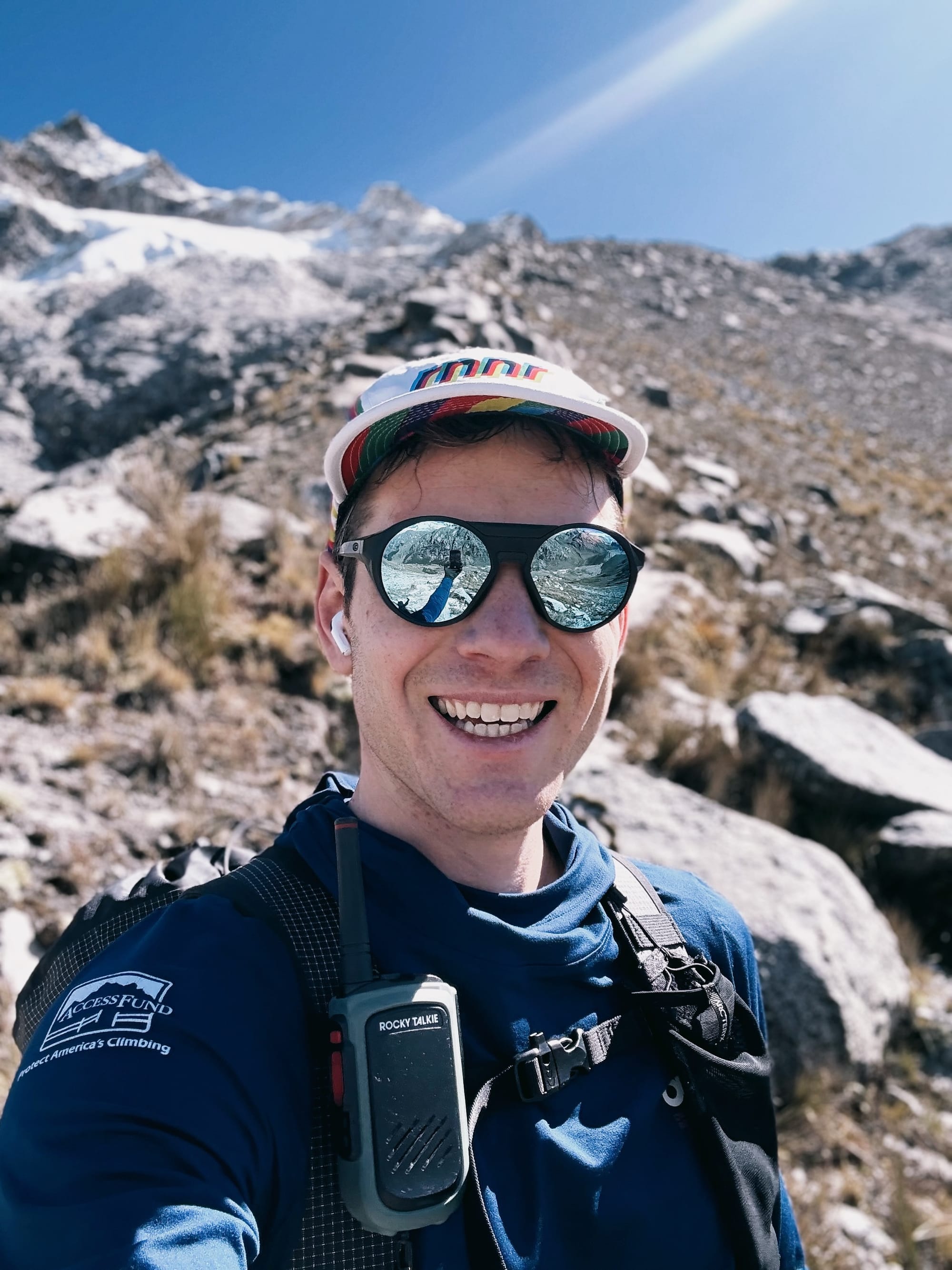
I left the refugio at 9:23 am and kept an aggressive pace the whole way up Urus, feeling good and hoping to get through the snow slopes before they warmed up too much and got sloppy. I had never been at this kind of elevation for extended periods before, sleeping at 14,000' and climbing up to 18,000', and I was surprised to discover that it felt good. My body had adapted to altitude quickly, my sleep had been solid, and the fitness that I'd built up running up and down the mountains outside my home in Boulder gave me a strong base that had filled in any gaps in my acclimatization. About two hours after I'd left the refugio, I was on the summit of Urus.
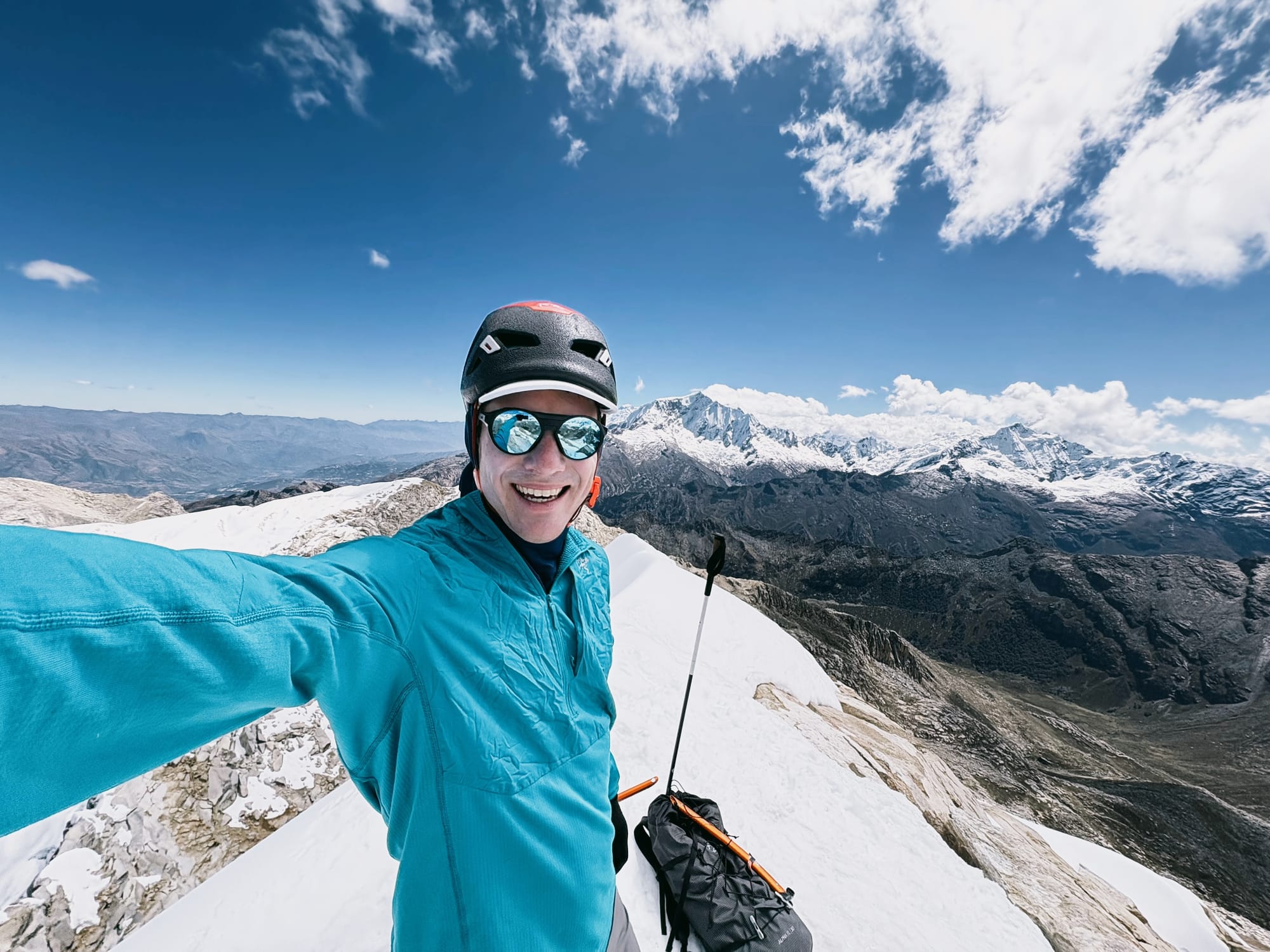
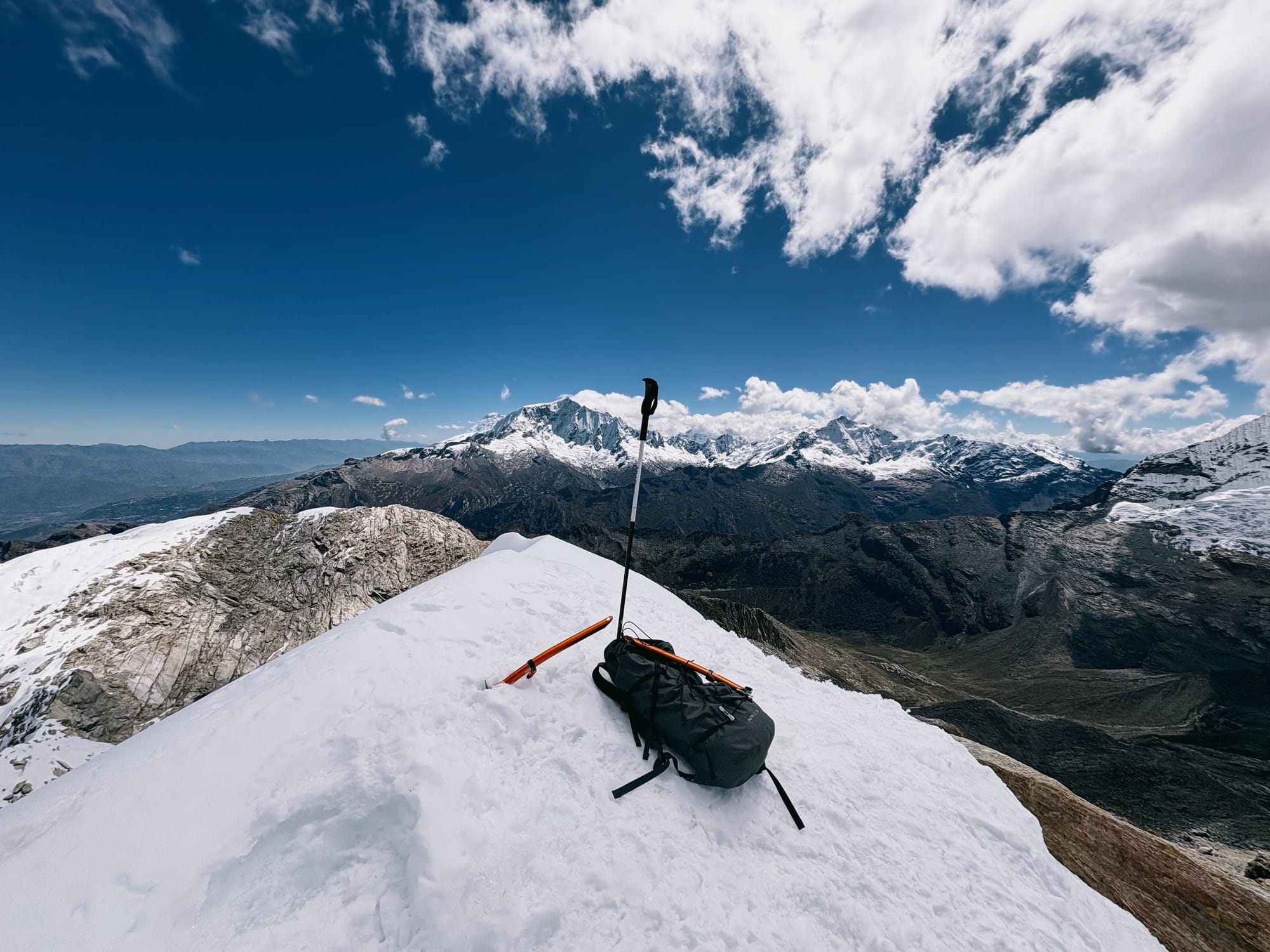
The descent off Urus felt more like a trail run back home than mountaineering, and in less than an hour I was napping in the grass at the bottom of the valley, having gone door-to-summit-to-door in three hours and eighteen minutes.
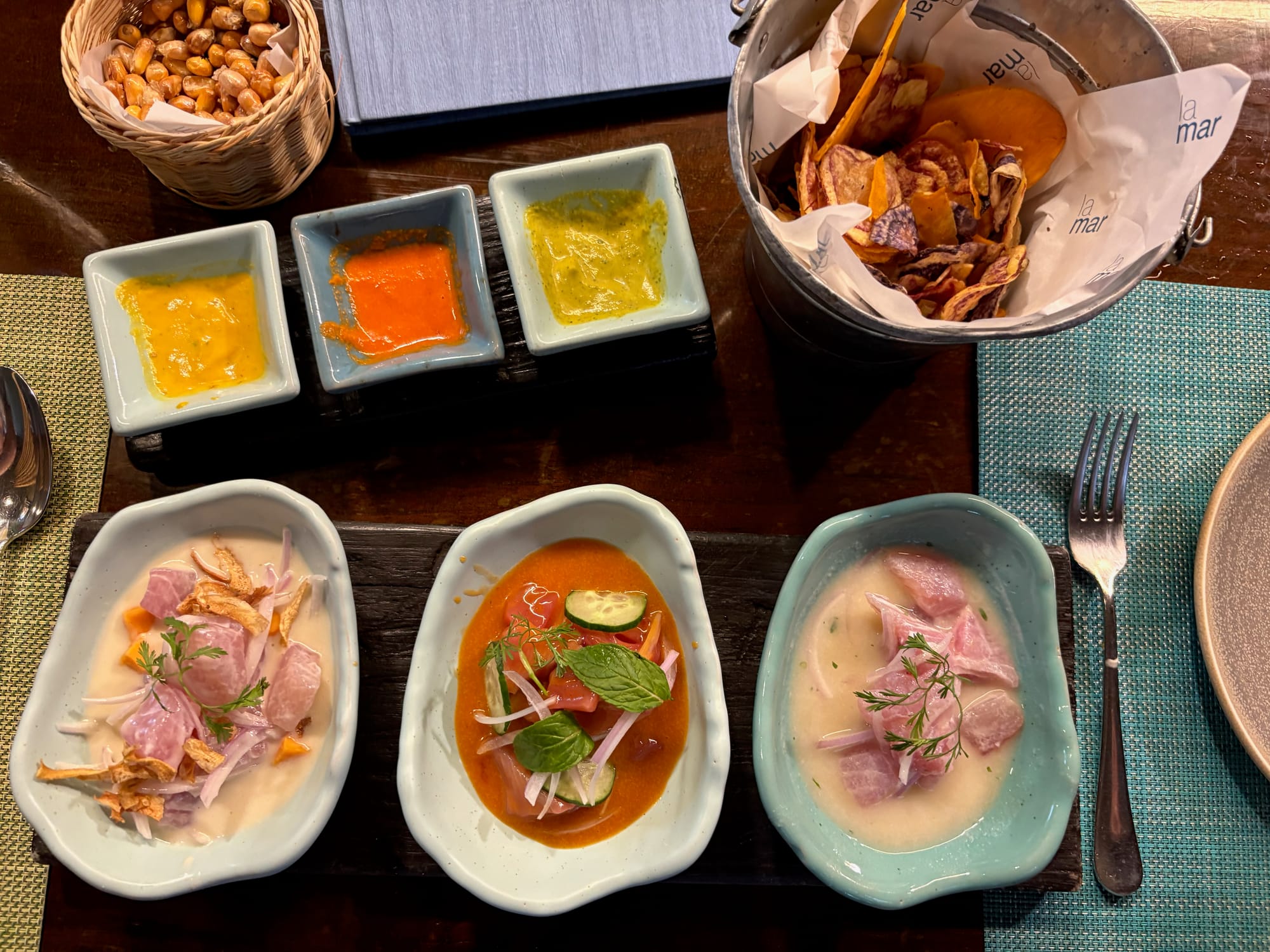
The rest of the trip went by in a blur. The next day I felt myself coming down with the same chest cold that Kevin had caught in the refugio, and we spent our final couple of days in Huaraz poking around the markets and trails near town while slowly beating back the sore throat and cough that had taken us out of commission. Thankfully, by the time we were due to fly back to Lima, both of us were more or less better and were able to end the trip in style with drinks and ceviche before going our separate ways - me headed back to Boulder to prep for a thru hike of Wyoming's Wind River High Route, and Kevin headed onwards to Cusco to explore Macchu Picchu and get a few more adventures in before med school orientation, which he'd launch straight into less than 24 hours after getting back from Peru.
Would I go back to Huaraz? Maybe, but also maybe not. This trip was amazing, but it was amazing because of the new sights and experiences, the opportunity to spend time with a good friend before his life took him in a new direction where we'd see each other a lot less, and the excitement of grappling with high altitude travel at an elevation I'd never been at before. I'm not convinced that the logistics-to-climbing ratio in Huaraz really works for me, and despite the great fun that I had on Ishinca and Urus, I still am not really in love with snow summits. Some places you go back to, and some places you visit once and add to your library of experiences. There are a ton of places I'd still love to visit in Peru, but I have a feeling that it may be a long time before I end up back in Huaraz. Instead, I've started scheming about what kind of adventure I'm going to pitch Kevin on when he finishes med school & residency. Whatever it is, it's got a lot to live up to after this trip!
Trip Notes:
- Try hard to get a window seat on the right side of the plane if you're flying from Lima to Huaraz. The views of the mountains as you descend into the valley are amazing.
- With any objective or tour, make sure you look up how far from Huaraz it is and ask around with other travelers to see what the roads are like. The travel times that tour companies will display in their windows or quote to you tend to be dramatically out of sync with reality.
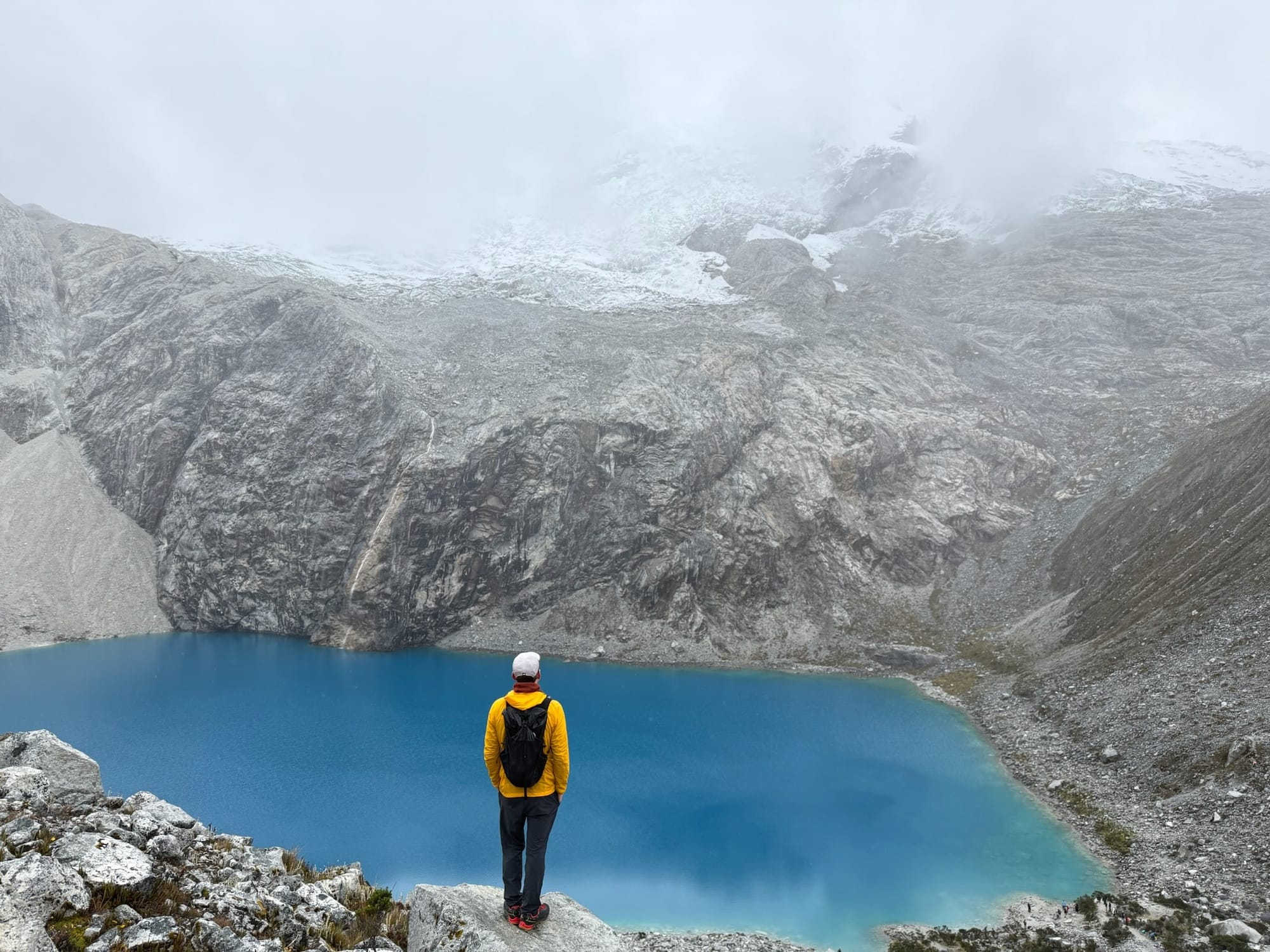
- Laguna Churup is a great acclimatization hike that's accessible via a 45 minute taxi ride from Huaraz. Laguna 69 was a much longer drive, and not really worth the hassle in my opinion.
- Since we had limited time and really had to be nimble to take advantage of limited weather windows, we didn't reserve anything in advance and wound up bouncing between a bunch of different hostels/hotels in the area. Most of them were pretty rough to try to get a good night's sleep in, but the last one we stayed at, Tupac Huaraz, was great and absolutely worth the extra couple dollars per night.
- California Cafe is the de-facto hangout spot for climbers and the best wifi in town. They have all the local climbing guidebooks there too.
- Cafe Andino's top floor is a great spot to quietly get some work or reading done on a rest day.
Gear Notes:
- DO NOT forget to put headphones in an accessible pocket if you're taking any kind of colectivo or bus from Huaraz. Otherwise, you'll be subjected to the driver's music for hours, which often bordered on psychological torture.
- For summits in the Ishinca valley, a lightweight single boot setup like my La Sportiva G-Techs was totally adequate, although my feet did get a little cold before the sun came up. A modern hybrid boot like the G-Summits might have been slightly better, but a full double boot or supergaiter is probably overkill.
- This was my first time taking the Showa 282 "Japanese fisherman" gloves into the high alpine and wow, they're great. 11/10. I have never owned a better pair of midweight gloves and they cost like $25. Size up, especially if you plan to wear them with liners (the combo of Patagonia Capilene glove liners plus the Showas got me through the entire trip, I never had to resort to using the expedition-weight gloves that I'd brought just in case).